How to Sell Your Home Fast: Expert Strategies from a Real Estate Professional
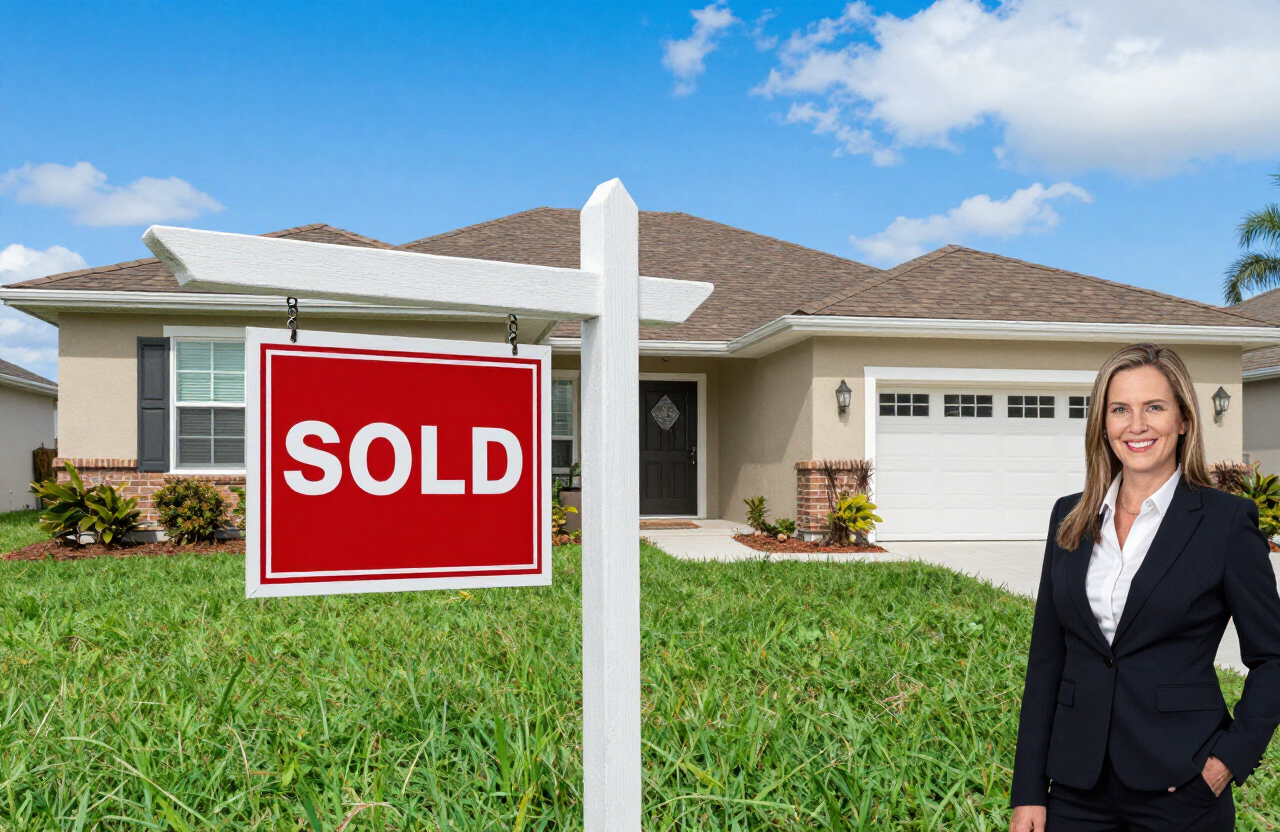
Every seller wants the same thing: to sell their home fast, for the best possible price, with the least amount of stress. The good news is that a quick sale isn't luck — it's the result of smart pricing, standout presentation, and effective real estate marketing. Here are the expert home selling tips I use to help my clients get their homes sold quickly and profitably.
Price It Right From Day One
Pricing is the single most important factor in how fast your home sells. Overpricing is the most common reason homes sit on the market. When a listing lingers, buyers assume something is wrong, and you often end up selling for less than if you had priced it correctly from the start.
I prepare a detailed comparative market analysis (CMA) using recent comparable sales, active competition, and current buyer demand. The goal is a price that generates immediate interest — sometimes even multiple offers — rather than one that scares buyers away.
Make a Powerful First Impression
Most buyers form an opinion within seconds of seeing your listing online and again when they pull into the driveway. Curb appeal matters. Fresh landscaping, a clean exterior, a welcoming front door, and clutter-free walkways set the tone before anyone steps inside.
Inside, aim for bright, clean, and neutral. Declutter every room, deep clean, and remove personal items so buyers can imagine themselves living there. Small repairs — leaky faucets, scuffed walls, sticking doors — quietly reassure buyers that the home has been cared for.
Stage to Sell
Staging helps buyers connect emotionally with your home. You don't need to spend a fortune. Rearranging furniture to highlight space and flow, adding fresh linens and simple decor, and maximizing natural light can dramatically improve how a home shows.
Vacant homes benefit from staging too, even if it's just a few key rooms. Empty spaces feel smaller and colder than staged ones, and staged homes consistently photograph better and sell faster.
Invest in Professional Marketing
In today's market, your listing's online presence is your storefront. Professional photography is non-negotiable — the majority of buyers start their search online, and high-quality images generate far more showings. Add video walkthroughs, drone footage where appropriate, and a compelling listing description that tells your home's story.
A strong real estate marketing plan then pushes your listing across the MLS, major search portals, social media, and targeted digital campaigns. Wide, professional exposure is how you reach the largest pool of qualified buyers quickly.
Be Flexible and Show-Ready
The easier your home is to see, the faster it sells. Accommodate showings on short notice, including evenings and weekends. Keep the home clean and ready, and step out during showings so buyers feel comfortable exploring.
Consider hosting a well-promoted open house in the first weekend on the market, when buyer interest is highest. Momentum early in a listing's life is a powerful advantage.
Respond and Negotiate Strategically
When offers come in, speed and strategy matter. Review not just the price but the full terms — financing strength, contingencies, closing timeline, and buyer motivation. A slightly lower offer with clean terms and a strong buyer can be worth more than a higher offer that's likely to fall apart.
This is where experienced negotiation pays off. I help sellers evaluate offers objectively, counter effectively, and keep the transaction on track through inspection and appraisal to a smooth closing.
Understand the Costs of Selling
Selling a home involves costs beyond the mortgage payoff, including agent compensation, potential concessions, and closing fees. Understanding these upfront helps you set realistic expectations for your net proceeds. I provide a clear seller net sheet early so there are no surprises at the closing table.
The Bottom Line
Selling your home fast comes down to preparation and execution: price it right, present it beautifully, market it aggressively, and negotiate with skill. With the right strategy and an experienced agent guiding the process, you can sell quickly and confidently without leaving money on the table.
If you're thinking about selling, reach out for a free home valuation and a customized marketing plan built to get your home sold fast.
Timing the Market: When to List Your Home
While a great home can sell in any season, timing your listing thoughtfully can shorten your days on market and improve your final price. Historically, spring and early summer bring the largest pool of active buyers, as families aim to move before a new school year and longer daylight hours make homes show beautifully. That said, listing when inventory is low — even in fall or winter — can mean less competition and more motivated buyers.
The best time to sell is ultimately the time that aligns with your life and your local market conditions. In a market with limited supply, a well-prepared home priced correctly will attract attention regardless of the calendar. I help sellers read current demand, absorption rates, and competing listings so we choose a launch date that maximizes visibility rather than guessing.
The Psychology of Pricing and Buyer Behavior
Pricing is part math and part psychology. Buyers today are informed; they browse dozens of listings before ever scheduling a showing, and they quickly sense when a home is priced ahead of the market. An overpriced listing often sits, grows stale, and eventually sells for less than it would have if priced correctly from day one. Meanwhile, strategic pricing can create a sense of value and urgency that generates multiple offers.
There is also power in pricing at or just below a psychological threshold, where your home appears in more online search filters. A home listed at a price that lands inside a wider band of buyer searches simply gets seen by more people. Combining smart price positioning with strong first-week momentum is how sellers turn interest into competing offers.
Room-by-Room Preparation Checklist
Preparing your home to sell is about helping buyers picture their life inside it. In the kitchen, clear the counters, deep clean appliances, and consider a fresh, neutral backsplash or cabinet hardware if budget allows. In bathrooms, replace tired caulk, add crisp white towels, and make sure everything sparkles. Bedrooms should feel restful and spacious, so remove excess furniture and personal clutter.
Do not neglect the spaces buyers scrutinize most: entryways, the primary suite, and outdoor living areas. A welcoming front porch, a tidy garage, and a well-kept yard reinforce the impression that the home has been lovingly maintained. Small, inexpensive touches — fresh light bulbs, clean windows, a neutral scent — add up to a home that feels cared for and move-in ready.
Marketing That Actually Sells Homes
Today's home sale begins online, which means your digital presentation is everything. Professional photography is the single highest-return investment a seller can make, and it should be paired with a compelling written description that highlights the features buyers care about most. Video walkthroughs and, where appropriate, drone footage give serious buyers the confidence to schedule a showing.
Beyond the visuals, a strong marketing plan syndicates your listing across the MLS and the major search portals, then amplifies it with targeted social media campaigns and email outreach to buyer agents. The goal is simple: get your home in front of the largest possible pool of qualified buyers in the crucial first days, when interest and momentum are highest.
Handling Showings, Feedback, and Open Houses
Once your home hits the market, flexibility is your friend. The easier your home is to see, the faster it sells, so accommodate evening and weekend showings and keep the home show-ready. Stepping out during showings lets buyers speak freely and imagine themselves living there without feeling watched.
Pay attention to feedback in the first two weeks. If many buyers tour but no offers come, the market may be telling you something about price or presentation, and adjusting early prevents a listing from going stale. A well-promoted open house during the opening weekend can concentrate interest and, in the right market, spark the competition that leads to a strong offer.
Navigating Offers, Inspections, and Closing
When offers arrive, resist the urge to look only at the top-line price. The strongest offer balances price with clean terms: a well-qualified buyer, a reasonable closing timeline, and manageable contingencies. A slightly lower offer from a cash buyer or a buyer with a large down payment can be far more likely to close smoothly than a higher offer riddled with conditions.
After you accept an offer, the inspection and appraisal phases can bring renegotiation. Approaching these conversations with facts and a level head keeps the deal on track. With experienced guidance, most issues can be resolved with reasonable credits or repairs, allowing you to move confidently toward the closing table and your next chapter.
Understanding Your Home's True Market Value
Before you can sell quickly, you must understand what your home is genuinely worth in today's market — not what you paid, not what you owe, and not what you hope to get. A comparative market analysis examines recently sold homes similar to yours in size, condition, and location, then adjusts for differences to arrive at a realistic value range. This data-driven foundation is the starting point for every successful sale.
Emotion is the enemy of accurate pricing. Homeowners naturally attach sentimental value to a property, but buyers pay only for the home as it exists in the current market. Trusting objective data over wishful thinking is what allows you to price competitively, attract prompt attention, and avoid the slow decline of an overpriced listing that eventually sells for less than it should have.
Small Upgrades With Outsized Returns
You do not need a full renovation to sell quickly and for top dollar. Some of the highest-return improvements are surprisingly modest: a fresh coat of neutral paint, updated light fixtures, new cabinet hardware, and thorough decluttering can transform how a home shows without a major budget. Buyers respond to spaces that feel clean, bright, and well cared for, and these touches deliver that impression at low cost.
Focus your dollars where buyers focus their attention. Kitchens and bathrooms sell homes, so a minor refresh in these rooms often pays off. Curb appeal matters too — a tidy lawn, trimmed shrubs, a clean driveway, and a welcoming entrance set expectations before a buyer even walks inside. Strategic, targeted improvements almost always beat expensive overhauls when your goal is a fast, profitable sale.
Managing the Sale While You Live There
Selling a home while living in it presents real challenges, but a plan makes it manageable. Establish daily habits to keep the home show-ready: make beds, clear counters, and tidy as you go so a last-minute showing request never sends you into a panic. Designate a bin or basket to quickly stash clutter, and keep a checklist by the door for the two-minute prep before buyers arrive.
Pets and children add complexity, so think through a plan for them during showings and open houses. The easier and more pleasant you make it for buyers to tour your home, the more showings you will accommodate and the faster you will sell. It requires discipline for a few weeks, but the payoff — a quicker sale at a stronger price — makes the temporary inconvenience well worth it.
Avoiding the Costly Mistakes That Slow a Sale
Several avoidable mistakes routinely stall home sales. Overpricing tops the list, followed by poor photography, cluttered or overly personalized interiors, and inflexible showing schedules. Each one shrinks your pool of interested buyers and lengthens your days on market, which itself becomes a red flag that invites lowball offers as the listing grows stale.
Another frequent misstep is neglecting minor repairs that signal deferred maintenance to buyers. A dripping faucet, a cracked tile, or a sticking door plants doubt about how well the home has been maintained overall. Addressing these small issues before listing, and presenting the home in its best light from day one, is the surest way to sell quickly and capture full value.
Final Thoughts and Your Next Step
Selling your home is one of the most significant financial journeys most people ever undertake, and it rewards those who approach it with knowledge, preparation, and the right guidance at their side. The information in this guide is designed to give you a genuine understanding of the process so you can move forward with clarity and confidence rather than uncertainty. Every market, every home, and every set of goals is a little different, which is exactly why personalized, local expertise matters so much. There is no substitute for advice tailored to your specific situation, your budget, and the realities of your local market, and that is precisely the kind of hands-on, honest guidance I am committed to providing to every client I serve throughout Palm Coast, Flagler County, and the surrounding Central Florida communities.
If you take away one thing from this article, let it be that you do not have to navigate this alone. Whether you need to sell quickly for a job move or simply want to maximize your return, a strategic plan and skilled marketing make all the difference between a listing that lingers and one that sells fast. The most successful outcomes almost always come from pairing solid preparation with a trusted professional who puts your interests first, communicates clearly, and works tirelessly on your behalf from the very first conversation all the way through closing and beyond. When you are ready to take the next step, I would be honored to be that trusted guide for you. Reach out today for a free, no-pressure conversation about your goals, and let's build a plan together. Your goals are my mission, and your dream home really is just a call away.
Have Questions for Josh Santiago About Your Next Move?
Let's talk about your goals. Reach out for a free, no-pressure consultation.