Complete Guide to Buying Your First Home in Palm Coast — 2026 Edition
Buying your first home is one of the most exciting and financially significant milestones of your life. It can also feel overwhelming, especially in a market that moves as quickly as Palm Coast and the surrounding Flagler County communities. This complete first-time home buyer guide walks you through every stage of the process in 2026, so you can move forward with clarity and confidence instead of guesswork.
Step 1: Understand What You Can Actually Afford
Before you fall in love with a listing, you need a realistic picture of your budget. A common home buying mistake is shopping by list price alone. Your true monthly cost includes principal, interest, property taxes, homeowners insurance, and — depending on the community — HOA fees. In Florida, insurance is an especially important line item, so build it into your numbers early.
A useful rule of thumb is to keep your total housing payment at or below 28% of your gross monthly income, while keeping all debt payments under about 36%. These ratios aren't rigid, but they help you avoid becoming 'house poor,' where your home leaves little room for savings, emergencies, and the life you actually want to live.
Step 2: Get Pre-Approved Before You Shop
A mortgage pre-approval is one of the most valuable mortgage tips for any first-time home buyer. It tells you exactly how much a lender is willing to loan you, and it signals to sellers that you are a serious, capable buyer. In competitive situations, a strong pre-approval letter can be the difference between winning and losing a home.
To get pre-approved, a lender reviews your income, assets, debts, and credit history. Gather recent pay stubs, W-2s or tax returns, bank statements, and identification. If your credit score needs work, addressing it before you apply can unlock better mortgage rates and save you thousands over the life of the loan.
Step 3: Explore Loan Programs for First-Time Buyers
First-time buyers often assume they need a 20% down payment. In reality, several loan programs make homeownership far more accessible. Conventional loans can require as little as 3% down. FHA loans, popular with first-time buyers, allow down payments around 3.5% with more flexible credit requirements. VA loans offer eligible veterans and service members zero-down financing, and USDA loans support buyers in qualifying rural areas.
Florida also offers down payment assistance programs that can help with closing costs and the initial cash needed to buy. Ask your lender and your agent which programs you may qualify for — this is exactly the kind of local knowledge that saves first-time buyers money.
Step 4: Partner With a Local Real Estate Agent
A knowledgeable local agent is your advocate throughout the home buying journey. Beyond finding listings, a great agent interprets the market, spots red flags, negotiates on your behalf, and coordinates the dozens of moving parts between contract and closing. Because buyer representation is typically arranged within the transaction, working with a professional often costs first-time buyers little to nothing directly.
Look for someone who knows Palm Coast neighborhoods intimately — the difference between two streets can mean different flood zones, school assignments, commute times, and resale potential.
Step 5: Tour Homes With Purpose
Once you're pre-approved and paired with an agent, the fun begins. Approach showings with a clear list of must-haves and deal-breakers. It's easy to be swayed by staging and fresh paint, so keep an eye on the things that are expensive or impossible to change: location, lot, layout, roof age, and major systems.
Take photos and notes at each home. After three or four showings, listings start to blur together, and organized notes help you compare objectively rather than emotionally.
Step 6: Make a Strong, Protected Offer
When you find the right home, your agent will help you craft a competitive offer backed by recent comparable sales. Price matters, but so do terms: closing timeline, contingencies, and earnest money all shape how attractive your offer looks to a seller.
Key contingencies protect you as a buyer. An inspection contingency lets you renegotiate or walk away if serious issues surface. A financing contingency protects your deposit if your loan falls through. An appraisal contingency guards you if the home appraises below the contract price. A skilled agent balances strong terms with the right protections.
Step 7: Inspections, Appraisal, and Underwriting
After your offer is accepted, a professional home inspection is essential. It reveals the true condition of the property and gives you leverage to request repairs or credits. In Florida, pay special attention to the roof, HVAC, plumbing, and any signs of water intrusion.
Meanwhile, your lender orders an appraisal to confirm the home's value and moves your file through underwriting. Respond quickly to document requests, avoid new debt or large purchases, and keep your finances stable until closing.
Step 8: Closing Day
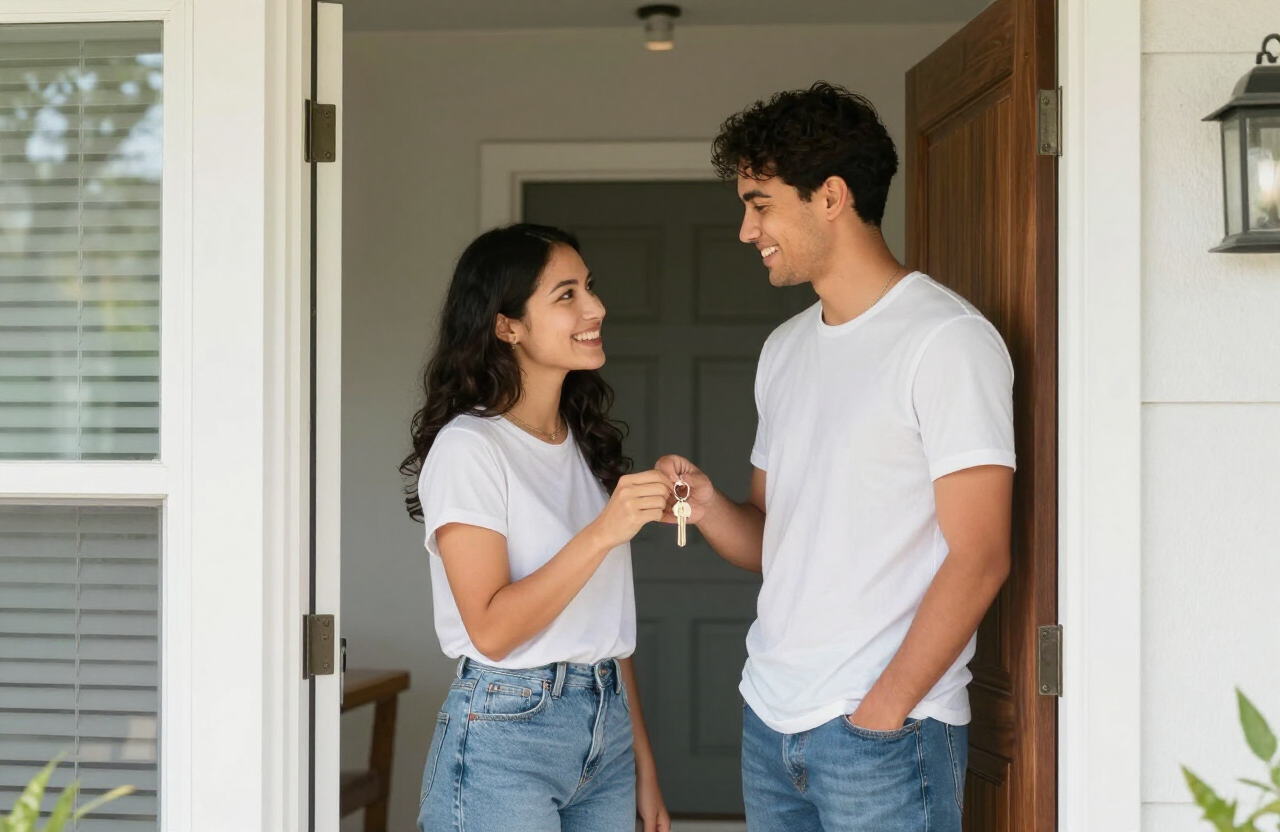
At closing, you'll review and sign the final documents, provide your down payment and closing costs via certified funds, and receive the keys to your new home. Closing costs typically run 2% to 5% of the purchase price and cover items like loan fees, title insurance, and prepaid taxes and insurance.
Do a final walkthrough beforehand to confirm the home is in the agreed-upon condition. Then celebrate — you're a homeowner.
Common First-Time Buyer Mistakes to Avoid
Shopping before getting pre-approved, maxing out your budget with no cushion, skipping the inspection, making big purchases during underwriting, and going without professional representation are the most frequent — and most costly — mistakes. Each one is entirely avoidable with the right plan and the right team.
Buying your first home in Palm Coast in 2026 is very achievable with preparation and guidance. If you're ready to take the first step, reach out and let's build a home buying plan tailored to your goals and budget.
Why Palm Coast Is a Smart Place to Buy in 2026
Palm Coast has quietly become one of the most attractive places to buy a first home in Central Florida, and understanding why can help you feel confident about your decision. The city combines relative affordability compared to nearby coastal markets like St. Augustine and Daytona Beach with a lifestyle that draws families, remote workers, and retirees alike. Miles of saltwater canals, walking and biking trails, and easy access to the Atlantic beaches give buyers a genuine sense that they are purchasing a lifestyle, not just a property.
For first-time buyers, that combination matters. Homes here still offer more square footage per dollar than many Florida metros, and steady population growth continues to support long-term appreciation. When you buy in a community with strong fundamentals, your first home becomes a stepping stone: the equity you build over the coming years can help fund your next move, whether that is a larger family home or your first investment property.
Building and Protecting Your Credit Before You Buy
Your credit score is one of the biggest levers you control as a buyer. A difference of just 40 or 50 points can move your mortgage rate by a meaningful amount, and over a 30-year loan that can translate into tens of thousands of dollars. In the months before you apply, pay every bill on time, keep credit card balances below thirty percent of their limits, and avoid opening or closing accounts unnecessarily.
Pull your credit reports early and review them for errors, which are more common than most people realize. Disputing an inaccurate late payment or a debt that is not yours can raise your score before you sit down with a lender. If your score is already strong, resist the temptation to finance a new car or furniture set right before closing, because a sudden change in your debt load can jeopardize your approval at the worst possible moment.
Understanding Florida-Specific Costs: Insurance, Taxes, and HOAs
Buying in Florida comes with a few cost considerations that surprise buyers moving from other states. Homeowners insurance, in particular, deserves careful attention. Premiums vary widely based on the age of the roof, the home's proximity to water, its wind-mitigation features, and its flood zone. Getting an insurance quote early — before you are under contract — protects you from budget surprises and can even influence which homes you tour.
Property taxes in Florida are reset based on your purchase price, so the taxes a previous owner paid may not reflect what you will owe. Ask about the Homestead Exemption, which can reduce the taxable value of your primary residence and cap annual increases. If a community has a homeowners association, review the monthly dues, the reserve fund, and the rules before committing, since these obligations become part of your true cost of ownership.
How Much to Save Beyond the Down Payment
First-time buyers often focus so intently on the down payment that they overlook the other cash they will need. Beyond your down payment and closing costs, plan for an earnest money deposit when you make an offer, the cost of a home inspection, and a moving budget. Lenders also like to see reserves — a few months of mortgage payments in savings — which strengthens your application and gives you breathing room after you move in.
Just as importantly, keep an emergency fund intact after closing. Homeownership brings maintenance costs that renters never face, from a failing water heater to a roof repair. A common guideline is to set aside roughly one percent of your home's value each year for upkeep. Buyers who plan for these realities enjoy their new home instead of feeling financially stretched by it.
The Emotional Side of Buying Your First Home
The home buying process is as much emotional as it is financial, and acknowledging that helps you make better decisions. It is normal to feel excitement, anxiety, and even buyer's remorse in the days after signing a contract. Having a trusted agent who keeps you grounded in your priorities — rather than swept up in a bidding war or discouraged by a rejected offer — makes the journey far smoother.
Give yourself permission to be patient. The right home is rarely the first one you see, and walking away from a property that does not fit your budget or needs is a sign of discipline, not failure. When you approach the process with clear goals and steady guidance, the moment you finally receive the keys becomes one of the most rewarding experiences of your life.
Frequently Asked Questions From First-Time Buyers
How long does the whole process take? From pre-approval to closing, most first-time buyers should plan on two to four months, though a strong buyer in a well-stocked market can move faster. The search itself is often the longest phase, while the period between an accepted offer and closing typically runs thirty to forty-five days.
Do I really need a real estate agent as a buyer? Yes. A skilled buyer's agent protects your interests, negotiates on your behalf, spots problems you might miss, and coordinates the many moving parts of a transaction — often at little to no direct cost to you. Trying to navigate your first purchase alone is one of the riskiest shortcuts a buyer can take.
Choosing the Right Neighborhood in Palm Coast
Palm Coast is not a single, uniform market; it is a mosaic of distinct neighborhoods, each with its own character, price range, and lifestyle. Some areas center on saltwater canals with direct ocean access, appealing to boaters and those who love waterfront living. Others offer quiet, tree-lined streets ideal for families, while newer communities feature modern construction and amenities like pools and fitness centers. Matching the neighborhood to your daily life is just as important as matching the house to your budget.
Take the time to visit prospective neighborhoods at different times of day and on both weekdays and weekends. Notice traffic patterns, noise, how well homes are maintained, and the proximity of the things you use most — schools, grocery stores, medical care, and your commute. A home you love in a neighborhood that fits your routine will serve you far better over the years than a slightly nicer house in an area that fights your lifestyle every day.
New Construction vs. Existing Homes
First-time buyers in a growing area like Palm Coast often weigh the choice between a brand-new build and an established home. New construction offers modern layouts, energy-efficient systems, warranties, and the appeal of being the first owner, but it can come with higher prices, longer timelines, and additional costs for landscaping, fencing, and window coverings that builders leave out. Understanding exactly what is and is not included is essential before you sign.
Existing homes, on the other hand, frequently offer more mature landscaping, established neighborhoods, and room to negotiate on price. They may need updates, but they also let you buy character and location that new subdivisions cannot instantly replicate. Neither option is universally better; the right choice depends on your budget, your timeline, and how much you value move-in-ready convenience versus established charm and negotiating room.
Working With Your Lender Through Closing
Once you are under contract, your relationship with your lender becomes crucial to a smooth closing. Respond to document requests promptly, because underwriting often uncovers questions that must be resolved before final approval. Keep your financial situation stable — do not change jobs, open new credit lines, or make large purchases — since lenders re-verify your profile shortly before closing and any surprises can delay or derail your loan.
Stay in close contact and ask questions whenever something is unclear. A good loan officer will keep you informed about your rate lock, your closing costs, and the timeline. The weeks between contract and closing can feel nerve-wracking for first-time buyers, but staying organized, responsive, and disciplined with your finances keeps everything on track toward the day you finally hold the keys.
Your First Year as a Homeowner
The learning curve does not end at closing. Your first year of homeownership is a time to establish good habits that protect your investment. Create a simple maintenance calendar — servicing the air conditioner before summer, cleaning gutters, checking for leaks, and testing safety devices — so small tasks never snowball into expensive repairs. Building these routines early keeps your home in top condition and preserves its value.
Financially, this is also the time to settle into your new budget, rebuild any savings you spent on the purchase, and get comfortable with the rhythm of homeownership. Take advantage of your Homestead Exemption if you have not already, review your insurance annually, and keep records of any improvements you make. A thoughtful first year sets the foundation for many rewarding years in your new home.
Final Thoughts and Your Next Step
Buying your first home is one of the most significant financial journeys most people ever undertake, and it rewards those who approach it with knowledge, preparation, and the right guidance at their side. The information in this guide is designed to give you a genuine understanding of the process so you can move forward with clarity and confidence rather than uncertainty. Every market, every home, and every set of goals is a little different, which is exactly why personalized, local expertise matters so much. There is no substitute for advice tailored to your specific situation, your budget, and the realities of your local market, and that is precisely the kind of hands-on, honest guidance I am committed to providing to every client I serve throughout Palm Coast, Flagler County, and the surrounding Central Florida communities.
If you take away one thing from this article, let it be that you do not have to navigate this alone. Whether you are just starting to think about homeownership or you are ready to get pre-approved and begin touring homes, having an experienced local agent in your corner changes everything. The most successful outcomes almost always come from pairing solid preparation with a trusted professional who puts your interests first, communicates clearly, and works tirelessly on your behalf from the very first conversation all the way through closing and beyond. When you are ready to take the next step, I would be honored to be that trusted guide for you. Reach out today for a free, no-pressure conversation about your goals, and let's build a plan together. Your goals are my mission, and your dream home really is just a call away.
Have Questions for Josh Santiago About Your Next Move?
Let's talk about your goals. Reach out for a free, no-pressure consultation.